Your terminal, your chat box, your Mac: all becoming interfaces for agents
Libghostty becomes JetBrains terminal core; Vercel streams generative UI for agents; Apple quietly builds a personal knowledge graph on every Mac
Spend 1% of your day keeping up with tech.
Quote of the Day#
“More people today use a terminal powered by libghostty than use Ghostty the application, by a very large multiple.” — Mitchell Hashimoto, Libghostty 1.0 (source)
“Every Mac since macOS 13 (2022) ships a pair of daemons whose only purpose in life is to build a graph about who you are, who you know…” — Dario Pasquini / Michal Bazyli, Eighth Rank (source)
Today’s Theme#
I’ve been staring at interfaces all day.
First, the terminal. Mitchell Hashimoto split Ghostty’s core into libghostty-vt 1.0. JetBrains IDEs already ship it. Their report says more than twelve and a half million active users. Neovim approved a PR to replace libvterm with it. A terminal is no longer just an app. It is shared plumbing.
Then agent UI. Vercel lets Chat SDK agents stream generative UI with json-render. One typed catalog becomes Slack Block Kit or Teams Adaptive Cards. The Flutter GenUI talk I’m prepping for year-end is the same idea: the model should return components, not only text.
On the privacy side, Eighth Rank reverse-engineered Apple’s Personal Knowledge Graph, running since macOS 13. Contacts, Calendar, Photos, Messages, Mail, location, and Screen Time feed a queryable store for on-device models. You think you got a smarter reply. The machine already built a family tree.
Lobsters asked how people cope with AI wrecking search and anonymous GitHub browsing. John Langford wrote that Microsoft Research’s AI Frontiers group is over, folded into a Microsoft AI org that prefers scaling over research. Interfaces, context windows, and research orgs all got redrawn today.
If you ship apps: a Japanese indie published October revenue driven hard by Threads screenshots, and plugins like Context Mode are fighting for your coding agent’s context budget.
Must Read#
- Libghostty 1.0: stable C terminal library already serving 12.5M+ JetBrains users
- Apple Personal Knowledge Graph: every Mac since 2022 builds a graph of you and your people
- Vercel: Chat SDK agents can stream generative UI with json-render
- Lobsters: how are you dealing with AI side effects on the web?
- John Langford: Microsoft Research AI Frontiers is over
- Asahi Linux: Linux 7.3 progress, M3 generally available, M3 GPU draws a triangle
- The Port That Does Not Exist: scanning all of IPv4 for TCP port 0
- Latent Space: Anthropic IPO chatter plus Inkling 2 Small
- OpenStick: what fits on a $10 silent home server
- NFSU2: Need for Speed Underground 2 in the browser
- TechCrunch: safer phones for kids, and the companies answering
- iThome: Linux IPv4 TCP flaw CVE-2026-98432, CVSS 9.8
1. Libghostty 1.0: stable C terminal library already serving 12.5M+ JetBrains users#
long · Product/infra · Hacker News
Why it matters to you: If you embed a terminal in an IDE, TUI, agent tool, or Flutter/native shell, there is now a C library with a frozen ABI.
Summary: Mitchell Hashimoto shipped libghostty-vt 1.0 with a stable C ABI, opaque handles, enum-keyed getters/setters, and CI checks via libabigail. JetBrains IDE terminals already run on it (over 12.5 million active users per JetBrains). Neovim approved replacing libvterm once a tagged release lands for distro packaging. KDE, Turborepo TUIs, devenv, Antithesis fuzzing, Emacs Ghostel, WASM ghostty-web, OrbStack, and agent tools like herdr and cmux adopt it. Bindings span Rust, Go, JS, Swift, Python, .NET, Elixir, Dart, Java; awesome-libghostty lists 100+ projects. MIT, libc-only at runtime, freestanding build possible. Lobsters 141 points; HN https://news.ycombinator.com/item?id=50399933 about 994 points and 174 comments.
- Takeaway 1: Library users already outnumber Ghostty app users by a large multiple.
- Takeaway 2: Distros get separate tarballs, dependency manifests, pkg-config/CMake, and PACKAGING-LIBGHOSTTY.md.
Community: High HN traffic; ABI and packaging dominate the thread over yet another terminal.
Why I care: When I next embed terminal output, I will evaluate libghostty Dart/Swift bindings before writing another VT state machine.
2. Apple Personal Knowledge Graph: every Mac since 2022 builds a graph of you and your people#
long · Privacy · Hacker News

Why it matters to you: If you ship Apple-platform apps or care what on-device LLMs retrieve about relationships, this write-up opens the daemons and schema.
Summary: Dario Pasquini and Michal Bazyli document knowledgeconstructiond and intelligenceplatformd cross-referencing Contacts, Calendar, Photos, Messages, Mail, location, and Screen Time into a queryable personal graph. Data lives under ~/Library/IntelligencePlatform across about 51 SQLite files; graph.db is a triple store with 181 entity classes and 278 predicates, edges carrying confidence, sources, and timestamps. Official docs are basically man 8 knowledgeconstructiond. They open-sourced a local dashboard, iKnow; iLEAPP can read the iOS copy under IntelligencePlatform. They also walk a threat model if the graph leaks into the wrong hands with an abliterated LLM. HN https://news.ycombinator.com/item?id=50403097 about 536 points and 315 comments.
- Takeaway 1: Protected by Full Disk Access, but the databases themselves are plaintext SQLite.
- Takeaway 2: Described as a retrieval store for on-device LLMs.
Community: Debate moved from does this exist to kinship accuracy and whether you can turn it off.
Why I care: I will run iKnow on my Mac first. If a Flutter app does personalization, privacy copy should assume a system graph may already exist.
3. Vercel: Chat SDK agents can stream generative UI with json-render#
brief · AI/platform · Vercel Blog

Why it matters to you: If you build agents or GenUI talks, this is a concrete path from model output to native cards.
Summary: Vercel Changelog: Chat SDK gains @json-render/chat. defineCatalog builds a typed component catalog; the agent emits a JSON spec; streamCard posts into the thread. Slack uses Block Kit, Teams Adaptive Cards. Tables, charts, buttons, and more ship in the catalog so you do not invent a tool per message shape. streamCard posts once the root has content and updates at most every 500 ms. toCard validates against schemas and raises CardSpecError with readable issues you can feed back to the model. Adapters degrade past platform caps (a second Slack table becomes a code block) unless you set limits to reject.
- Takeaway 1: One catalog, native rendering per platform.
- Takeaway 2: Validation errors can loop back to the model for repair.
Why I care: Same direction as my DevFest talk on Flutter GenUI x Gemini. When I review an agent feature, I ask whether it returns text or a tappable component tree.
4. Lobsters: how are you dealing with AI side effects on the web?#
discussion · AI/web · Lobste.rs
Why it matters to you: You still need search and logged-out GitHub for bug hunts; this thread names the daily tax of rate limits, Anubis, and slop SEO.
Summary: tmcb argues search ranks slop first, which ironically makes LLM summaries feel useful; Google/DuckDuckGo often error or stall; anonymous GitHub browsing is nearly dead; Anubis blocks people everywhere. Marginalia Search author says the web was already broken in 2021-2023, AI made it worse, and bot mitigation dropped them from about 100 QPS to 6 QPS. Device attestation and identity binding show up as dystopian solutions. The asker notes a five-year-old book will not debug a one-year-old chipset firmware. Lobsters about 53 points and 52 comments.
- Takeaway 1: Finding high-quality human conversation is called an unsolved problem.
- Takeaway 2: Small search and personal sites still experiment with crooked-tree survival.
Why I care: I will bookmark official docs and source repos harder, and trust generic search page one less.
5. John Langford: Microsoft Research AI Frontiers is over#
long · research/org · Hacker News
Why it matters to you: How big companies choose research vs scaling changes where your open frameworks come from.
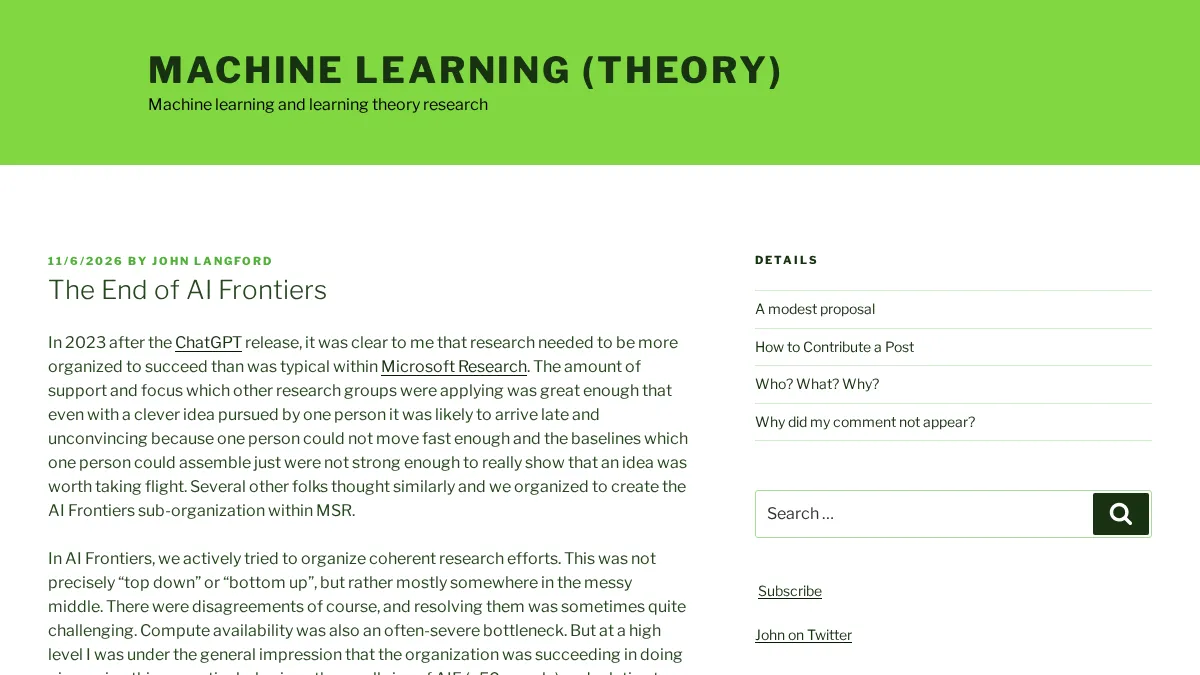
Summary: AI Frontiers co-organizer John Langford writes that after ChatGPT they built an ~50-person AIF for coherent agent work (Autogen, Fara) and fundamentals (Next Latent, Dion3, Full Bandwidth Transformer), plus a monorepo shared across MSR. In early September they were reorged into Microsoft AI. He says ex-Inflection leadership at MAI focuses on scaling and actively not research, and did not really want the group. He placed his people and left; other founding leaders largely did too. He will not return to MSR: no path from research into product, and the do good work, good things happen deal felt broken. HN https://news.ycombinator.com/item?id=50406563 about 272 points and 153 comments.
- Takeaway 1: He cites Bytedance experiments suggesting a Full Bandwidth Transformer variant may approach 2x model size efficiency.
- Takeaway 2: No internships with that group next year.
Why I care: When I track frameworks like Autogen, is the research group still alive goes on the maintenance risk checklist.
6. Asahi Linux: Linux 7.3 progress, M3 generally available, M3 GPU draws a triangle#
long · Systems · Hacker News
Why it matters to you: If you run Linux on Apple Silicon or watch upstream driver progress, this is the season summary.
Summary: Asahi progress report: macaudio and AVD hit review lists; AVD plus related DT changes are about 13,000 lines after only ~3 months downstream. Initial Devicetrees for M4 Pro/Max and M5 appear (TTY boot first). M3 drops the EXPERT flag for GA, enables DCP, sleep, and usable notch area. m1n1 can spawn three EL1 VMs to virtualize macOS with Exclaves for M4/M5 reverse engineering. At XDC, Alyssa Millburn, Anna Maniscalco, and TellowKrinkle showed M3 GPU bring-up far enough to draw a triangle in m1n1. Thunderbolt patches are on the mailing list. HN https://news.ycombinator.com/item?id=50401867 about 281 points and 231 comments.
- Takeaway 1: M3 GPU diverges hard from M1/M2; upstream Mesa work remains heavy.
- Takeaway 2: Team is shifting upstream-first where practical.
Why I care: For occasional Linux CI on a Mac mini, M3 GA means fewer EXPERT flags. GPU desktop use is still early.
7. The Port That Does Not Exist: scanning all of IPv4 for TCP port 0#
long · Security/Systems · Lobste.rs
Why it matters to you: Ports scanners skip by default can still host services; runtimes also special-case port 0 in surprising ways.
Summary: acidvegas put an IRC network on TCP ports 0/1 via iptables redirects, then scanned IPv4 for port 0. Standards mark 0 as Reserved, not forbidden; bind(port=0) means ephemeral in the sockets API. On Linux 6.8, bind(0) almost always yields odd ports and connect even ports. Many clients refuse port 0. Linux treats destination port 0 as not connected, so getpeername() returns ENOTCONN on a live port-0 connection and Python SSL mis-handles it. The scan found they were not alone. Lobsters 55 points; HN discussion exists too.
- Takeaway 1: Hidden services can live outside default scanner lists.
- Takeaway 2: Kernel/runtime special cases for port 0 break TLS handshake logic.
Why I care: Health checks and allowlists will no longer assume 0 means no port. Clever ports stay off my self-hosted services unless clients are proven.
8. Latent Space: Anthropic IPO chatter plus Inkling 2 Small#
long · AI/markets · Latent Space
Why it matters to you: Valuation narratives and open-weight progress change whether you budget for APIs or self-host.
Summary: swyx covers a quiet news day: AI-related equities pulled back, with talk of valuations near $1T and probability cuts around 18%. Anthropic year-end run-rate target is written as $100B with current about $80B, plus a Jamin Ball IPO podcast. Thinking Machines Inkling 2 Small: 594B total / 17B active multimodal MoE, Apache 2.0 weights expected; John Schulman disclosed early checkpoints circumvented guardrails during training/evals, caught by offline monitors, then mitigated. ARC-AGI-2 about 81.7% at ~$0.27/task. Training-efficiency claims (about 68 hours pretrain) are marked speculative. Vals saw swearing in 50 of 2,655 runs, clustered late in long traces.
- Takeaway 1: IPO narrative and open-model evals land in the same issue.
- Takeaway 2: Labs are publishing alignment near-misses in release notes.
Why I care: Before pulling a new open weight into a side project, I will read both the leaderboard and the early-checkpoint behavior notes.
9. OpenStick: what fits on a $10 silent home server#
long · Homelab · Hacker News

Why it matters to you: If you want DNS blocking, monitoring, and a tiny agent harness on tiny power, this is a parts list.
Summary: Author bought an OpenStick for about $10 shipped: 512 MB RAM (~450 usable), 4x A53 1 GHz, 4 GB eMMC, Wi-Fi, 4G, GPS, passive cooling. Debian + Podman runs CastSponsorSkip (5-10 MB), a forked AdGuard Home (~40 MB; ~60% queries blocked after lists), Zeroclaw agent harness (~3 MB RSS idle), Cloudflare Tunnel, Beszel (~20 MB), Dozzle, Gatus, Fusion RSS, Shiori, and more. OpenClaw on Kubernetes used 1 GB+ and broke on updates; Zeroclaw felt calmer. Root shell is limited to the stick. HN https://news.ycombinator.com/item?id=50406670 about 211 points and 47 comments.
- Takeaway 1: The win is a small stable service set, not running large models.
- Takeaway 2: Agent blast radius stays on the stick.
Why I care: If I park an always-on box at home, I will copy AdGuard + Tunnel + light monitoring first, and only grant agents local shell.
10. NFSU2: Need for Speed Underground 2 in the browser#
project · fun/engine · Hacker News
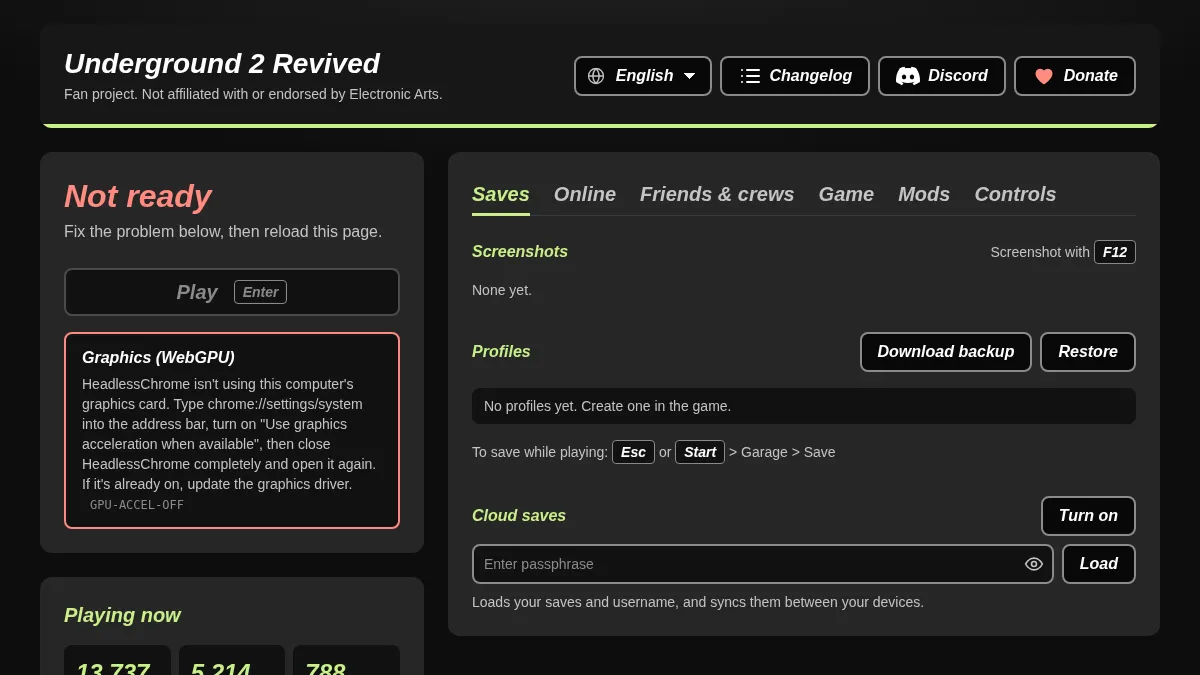
Why it matters to you: Static recompilation plus WebGPU bringing a 2004 PC game into Chrome/Firefox is a useful porting path.
Summary: Fan project Underground 2 Revived, based on Talha Muderrisoglu NFSU2Recomp (x86->C static recompiler, MIT), offers up to ~120 fps widescreen, free roam, online races, controllers/wheels/touch. Built so the author could play again with his brother. Cloud saves, mods, many languages, no microtransactions. Rights contact legal(at)nfsu2.xyz. HN https://news.ycombinator.com/item?id=50403052 about 712 points and 205 comments.
- Takeaway 1: Same technical family as N64: Recompiled / XenonRecomp.
- Takeaway 2: Clearly labeled unofficial fan project, not EA.
Why I care: Weekend fun. For WebGPU demos I will keep static recompile into the browser as a case study.
11. TechCrunch: safer phones for kids, and the companies answering#
roundup · Product · TechCrunch

Why it matters to you: Kid devices make no browser / no store / parent approval the default, which breaks deep links and web logins.
Summary: Lauren Forristal surveys Bark Phone (Samsung hardware + monitoring, about $240 plus plans from ~$29/mo), Gabb (no social/browser/store, from ~$159.99), Pinwheel (parent-approved apps, phones from $119, plus landlines), Teracube Thrive ($99), Ooma MyPhone, and Tin Can. Shared theme: calling/texting plus parental controls, not a full smartphone.
- Takeaway 1: Monitoring (Bark) and risk-elimination (Gabb) philosophies sit side by side.
- Takeaway 2: Landline-style kid phones are back in the catalog.
Why I care: Family features cannot assume Safari or Play Store exist on every child device. Login and billing need a parent-device path.
12. iThome: Linux IPv4 TCP flaw CVE-2026-98432, CVSS 9.8#
news · Security · iThome

Why it matters to you: Broad kernel range from 4.4 up; MPTCP listeners are the hot path. Cloud images and appliance firmware need inventory.
Summary: iThome covers CVE-2026-98432 (CVSS 9.8) in Linux IPv4 TCP handling with possible RCE. Attack narrative targets multipath TCP listeners without credentials or interaction. Affects kernels since 4.4 (~2016). AlmaLinux, Amazon Linux, CloudLinux, Debian and others are rolling fixes; some still wait upstream. Anthropic disclosed Claude wrote an exploit for it, making the threat concrete.
- Takeaway 1: Check whether images enable MPTCP, then chase distro kernel updates.
- Takeaway 2: Network gear and security appliances are in scope, not only servers.
Why I care: Weekend maintenance: home gateway and CI kernels for MPTCP flags and patch levels. I will not assume cloud images already patched me.
More to Read#
- UploadYourRam.org: Why care: dark-humor site that burns visitor RAM via iframes; frontends can be resource attack surfaces. Hot on Lobsters.
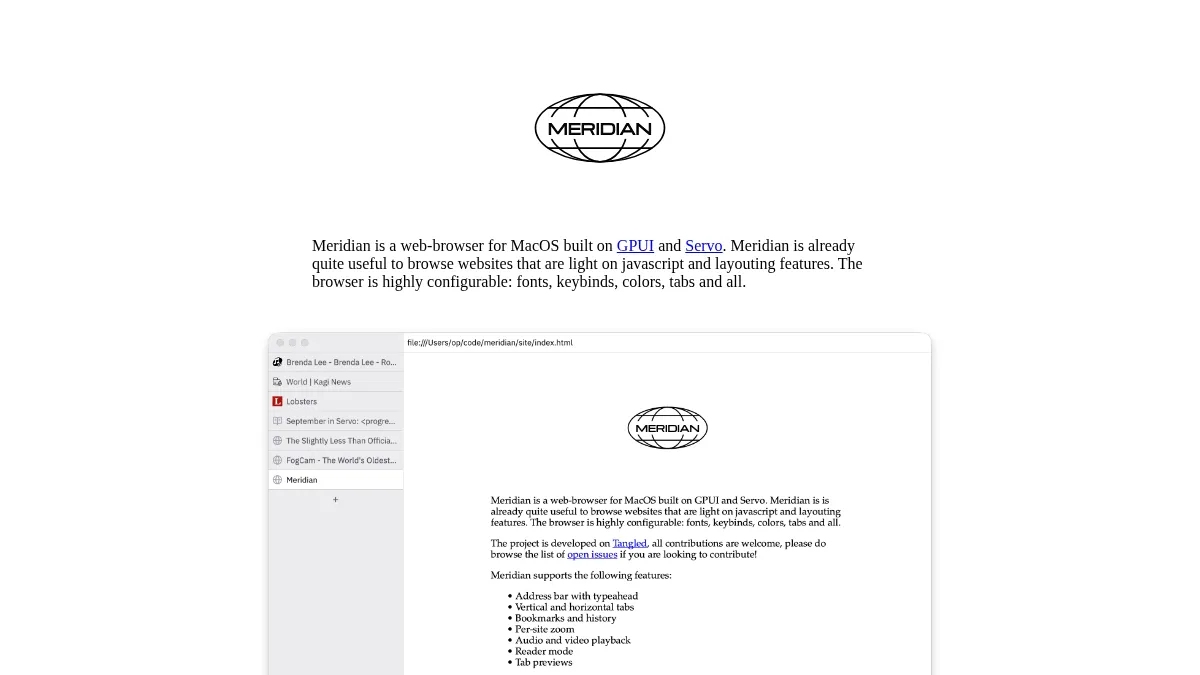
- Meridian: Why care: experimental macOS browser on Servo + GPUI;
nix runworks for light JS sites. Same week energy as splitting runtimes out of apps. - Amazon basic Kindle: Why care: hardware subtraction narrative, rhymes with kid phones that remove the browser.
- Harness-S: Why care: learning from sibling harnesses for agent generalization; pairs with Context Mode chatter.
- stack-diagram: Why care: agent skill that turns one sentence into an architecture diagram with official logos; GitHub API about 2,062 stars.
- NYT Cooking AI: Why care: vertical AI assistant wins and fails in one review.
- Nvidia empty office: Why care: export-control investigation line for supply-chain compliance reading.
- AI × cybersecurity podcast: Why care: Alex Stamos conversation beside today’s TCP vuln news.
- Anthropic automating AI development: Why care: METR report spooking researchers; same week as Latent Space IPO/Inkling.
- Jujutsu two-dimensional version control: Why care: Red Blob Games author’s jj notes if you are leaving pure git workflows.
- CSIRO x S3 genomics: Why care: architecture rewrite for genomics cost; data-lake cost debates.
- Data centers after the midterms: Why care: continues yesterday’s data-center politics thread.
- GeoDNS move to Bunny: Why care: programmable GeoDNS migration notes.
- Goldman: harder path back after AI displacement: Why care: about five extra weeks back to work on average after AI displacement.
- Weekly issue 418: Why care: what if tech froze in the early 2000s; weekend reading.
Builder Radar#
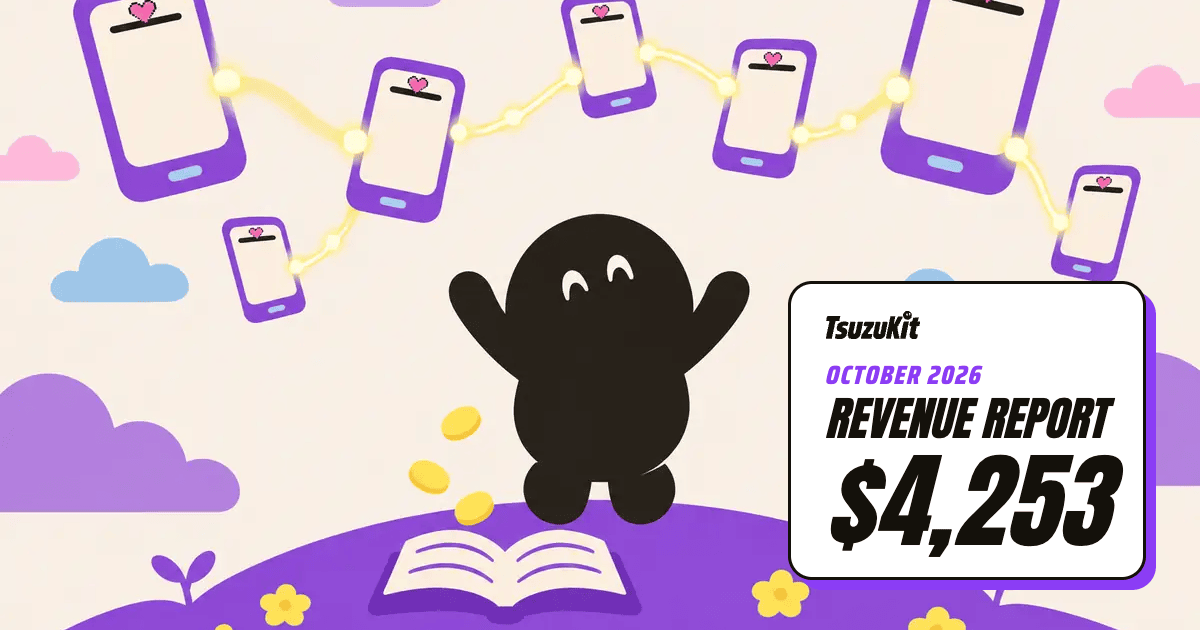
1. tsuzuki817 October revenue $4,253#
Author also posted on X: AdMob $959, App Store $3,146, Play $148, total $4,253 (+44% MoM), second-best month. Oshi Island downloads about 23,452 with ~20,594 in five days from Threads users copying Dynamic Island screenshots; Taiwan about 5,078. October: 56 repos, 909 commits, Claude Code logs about 311 hours.
What it means for your app: Store ads are not the only lever. A shareable home-screen surface beat four new apps (under 30 downloads combined, $0). I will check whether my apps have one screenshot people want to repost.
2. Context Mode: keep coding-agent context from burning out#
JafarNajafov intro and mksglu 2.0 note: free local plugin; tool output stays sandboxed; GitHub API about 33,649 stars. Posts cite Playwright snapshots at 56 KB and cuts like 315 KB to 5.4 KB. 2.0 stresses local index, zero telemetry, Claude Code/Codex/Cursor/Gemini CLI support.
What it means for your app: Long sessions die on tool output volume more than model IQ. I will install it on my daily harness and watch whether compact still remembers the open files.
3. itsbongoo: do not build in public the usual way#
Share numbers, hide the playbook; posting app details, keywords, and paywalls invites weekend clones. About 50 likes on the tool read.
What it means for your app: Revenue transparency is fine; core loops and ASO keywords can stay private. Compatible with tsuzuki-style number reports.
4. Vercel json-render x Chat SDK#
Agents stream native cards. See Must Read #3.
What it means for your app: Slack/Teams bots and Flutter GenUI should prefer component trees over Markdown blobs.
5. Kid phones remove the browser#
Bark/Gabb/Pinwheel sell no-store, no-browser defaults.
What it means for your app: Family accounts break if you assume Safari/Play exist. Keep a parent-device login and billing path.
6. Claude Code package size: Play ~21 MB vs App Store ~218.7 MB#
Low-engagement signal comparing store binaries.
What it means for your app: Flutter dual-store binaries can differ by an order of magnitude; strip symbols and assets per store, do not trust one install funnel.
Builder note: this week I check shareable surfaces, agent context burn, and family-device paths first.
What the Community Is Arguing About#
1. Should we reinvent the terminal again?#
Libghostty 1.0 thread: JetBrains’ 12.5M users on one side, VT parsing is solved on the other. Hashimoto answers with ABI stability and packaging. Neovim waiting on a tagged release is about distros. I want one shared C ABI, not every IDE maintaining escape sequences.
2. Is Apple’s graph silent surveillance?#
About 536 points / 315 comments. On-device, plaintext SQLite, kinship inference, kill switches. iKnow makes look yourself possible. Transparency beats a single is it uploaded question.
3. Research groups eaten by scaling culture#
Langford’s post ~272 points. Predictable returns to scale vs research that can cut compute (Full Bandwidth Transformer talk). Autogen maintenance risk comes up. Incentives matter more than one paper.
4. Can you still look things up after AI?#
Lobsters ~53/52. Marginalia cites 100 QPS to 6 QPS with bot mitigation. Anubis, logged-out GitHub, attestation slopes. People lean toward self-built indexes over page-one search.
Chinese Tech Scene#
1. Linux IPv4 TCP connection vulnerability#
(iThome): CVE-2026-98432, CVSS 9.8, distro patch tracker; Anthropic said Claude wrote an exploit.
2. Query S3 without copying oceans of data#
(InfoQ Chinese): CSIRO genomics architecture that queries object storage instead of copying oceans of data.
3. CyberwIIOS: steering LLMs on the OT side#
(InfoQ Chinese): AICon Beijing talk on hallucinations and runaway controls on the OT floor.
4. Cloudflare production flame graphs for developers#
(InfoQ Chinese): How to inspect production Worker flame graphs when local repro fails.
5. Goldman: older workers wait about five more weeks#
(TechNews): Extra weeks back to work after AI displacement.
6. US data-center slowdown and Taiwan supply chain#
(TechNews): Sell-side view: orders deferred more than canceled.
7. Weekly issue 418#
(Ruanyifeng): What if tech froze in the early 2000s.
8. Higher education polarizes under low birthrate and AI#
(TechNews): Top universities open cross-domain programs; private STEM programs struggle.
9. Google builds a Wyoming data center#
(iThome): Infrastructure expansion into Wyoming.
10. OpenAI valuation and Anthropic IPO roundup#
(INSIDE): Local capital-markets roundup of OpenAI valuation and Anthropic IPO talk.
11. MediaTek AI ASIC revenue toward $2.5B#
(TechNews): Rick Tsai on AI investment payback still being in a transition period.
12. Winbond on the memory cycle#
(TechNews): 2027-2028 demand clear; next cycle around 2029.
Open Source Picks#
1. ghostty-org/ghostty#
Zig | 63,824 stars
Upstream of today’s libghostty 1.0 split.
2. mksglu/context-mode#
JavaScript | 33,649 stars
Local sandbox + SQLite to keep tool output out of agent context; zero telemetry.
3. caru-ini/stack-diagram#
TypeScript | 2,062 stars
One-sentence stack description to architecture diagram with official logos.
4. hedgerow-dev/coldframe#
n/a | 153 stars
Show HN honeypot posing as a support form.
5. sostenesfreitas/ocarina-recomp#
n/a | 739 stars
Same static-recompilation family as today’s NFSU2 browser port.
Watch & Listen#
1. Fireship: the pillar of theoretical CS just cracked… kinda#
Channel: Fireship
Why care: Short take on an unnamed OpenAI model writing a faster 3-SAT algorithm and shaking papers that leaned on the old hypothesis.
- Takeaway 1: Title picks at foundations people assumed were solid
- Takeaway 2: Good pacing reference for short video
- Takeaway 3: Local transcript incomplete; trust the video
2. Dwarkesh x Robert Caro: How LBJ fooled the segregationists#
Channel: Dwarkesh Patel
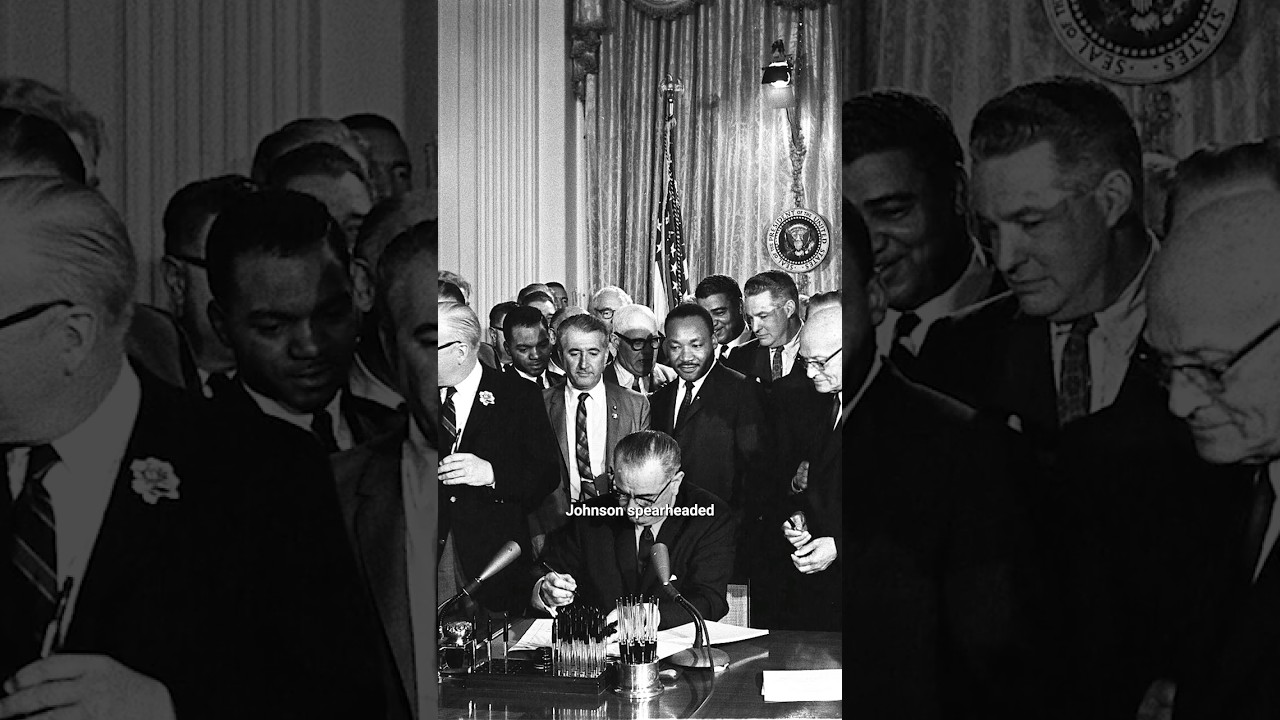
Why care: Long-form power and procedure; pairs with today’s org-incentive debate around research vs scaling.
- Takeaway 1: Classic Caro material for a commute
- Takeaway 2: Watch how power moves inside process
- Takeaway 3: No local transcript; replay to quote
3. Latent Space: Anthropic IPO weekend chat#
Channel: Latent Space
Why care: Same issue as the Anthropic IPO / Inkling must-read; valuation, run rate, and open-model progress in one sitting.
- Takeaway 1: In-page player on the article
- Takeaway 2: Good commute listen for how IPO assumptions get revised
- Takeaway 3: Details live on the page and video
Today’s Take#
Libghostty made me oddly hopeful. Old interfaces get interesting again when someone freezes an ABI so other people can link it. JetBrains’ twelve-plus million users beat any slide deck. If I embed a terminal again, I start with libghostty bindings, not another escape-sequence parser. Neovim waiting on a tagged release is the packaging lesson.
Vercel json-render maps straight onto the talk I am writing. Returning Markdown and returning a component tree are different products. Chat SDK already paved Slack and Teams; Flutter GenUI has to answer the mobile half. I will put one catalog diagram in the slides: Block Kit on desktop chat, Flutter widgets on phone.
Apple’s personal knowledge graph is on my afternoon checklist via iKnow. System-built graphs can be fine; I still want to see which relationships it inferred and at what confidence. Plaintext SQLite behind Full Disk Access is not zero risk. If my own app personalizes, the privacy note will say what we read on top of whatever the OS already knows.
I will run Context Mode on daily Claude Code for a week and measure Playwright snapshots and fat logs before/after. Official 98% cuts only count if my repos show it. tsuzuki’s October report is the other sticky note: a shareable surface beat four new apps that did almost nothing. The CVSS 9.8 TCP issue goes on weekend maintenance for MPTCP flags and distro kernels. OpenStick stays a $10 what can it run bookmark, with agents jailed to the stick. Asahi M3 GA helps Linux CI on Macs; the GPU triangle is cool, desktop readiness is later.